HVAC · Plumbing · MEP

Shop Drawing Services for HVAC, Plumbing & MEP Systems That Keep Construction Moving Smoothly

We prepare detailed shop drawings for HVAC, plumbing, mechanical, electrical, and fire protection systems — clear, accurate drawings that make installation and coordination easier.

Overview

Drawings that bridge design and the field.

Construction projects move fast, and unclear drawings can lead to delays, extra costs, and site problems.

That is where shop drawings help.

We prepare detailed shop drawings for HVAC, plumbing, mechanical, electrical, and fire protection systems. Our goal is simple: create clear, accurate drawings that make installation and coordination easier.

Using Autodesk Revit, AutoCAD, and Autodesk Navisworks, we help project teams reduce clashes and improve coordination between trades.

From commercial buildings to residential and renovation projects, we provide practical drawings that support smoother construction from start to finish.

Definition

What Are Shop Drawings?

Shop drawings are detailed drawings used during construction and fabrication. They show how different systems and components will actually be built and installed inside a building.
Design drawings usually explain the overall concept of a project. Shop drawings go deeper. They provide the details contractors, fabricators, and installers need before work begins on site.
These drawings may include:

For example, an HVAC shop drawing shows where ductwork runs, how it connects to equipment, and how it fits around plumbing pipes, electrical conduit, and structural elements.

Importance

Why Shop Drawings Are Important

Construction projects involve multiple trades working in the same space. HVAC systems, plumbing lines, conduit, sprinkler pipes, and structural elements all need to fit together properly. Without coordinated shop drawings, problems often appear during installation.
Common issues include:
[01]
Systems overlapping each other
[02]
Limited ceiling space
[03]
Installation delays
[04]
Rework
[04]
Material waste
[04]
Extra labor costs

Good shop drawings help reduce these problems before fabrication and installation start.

Contractors can identify clashes early, coordinate trades more efficiently, and improve overall workflow on site.

This is especially important on commercial and large residential projects where multiple systems need to work together within tight spaces.

Importance

Why Shop Drawings Are Important

We provide complete shop drawing services for a wide range of building systems and project types. Our drawings are prepared with real installation conditions in mind. The goal is not just to create drawings, but to help construction teams work more efficiently.
[01]

HVAC Shop Drawings

HVAC systems require careful coordination with other building systems. Poor planning can create major installation problems later in the project. We prepare HVAC shop drawings that help contractors and fabricators understand exactly how ductwork and equipment should be installed.
Our HVAC shop drawing services include:

We also coordinate HVAC systems with structural, plumbing, and electrical layouts to reduce field conflicts during installation.

Using Autodesk Revit and Autodesk Navisworks, we help improve system coordination before fabrication begins.

[02]

Plumbing Shop Drawings

Plumbing systems often run through crowded ceiling and utility spaces. Proper planning helps reduce installation issues and routing conflicts.
Our plumbing shop drawings include:

We make sure plumbing systems fit properly within the available space while coordinating with HVAC, structural, and electrical systems.

This helps contractors reduce changes during construction and improve installation efficiency.

[03]

Mechanical Piping Drawings

Mechanical piping systems can become difficult to manage without clear and coordinated layouts.
We prepare detailed mechanical piping drawings for:

Our drawings are prepared to support fabrication, installation, and field coordination.

We focus on creating practical layouts that installers can follow easily on site.

[04]

Electrical Coordination Drawings

Electrical systems need proper coordination with HVAC and plumbing systems to avoid congestion and access problems.
Our electrical coordination drawings include:
These drawings help project teams identify conflicts early and improve installation planning before work starts in the field.
[05]

Fire Protection Shop Drawings

Fire protection systems require accurate routing and coordination to fit properly within building spaces.
We prepare fire protection shop drawings that include:
Our team coordinates fire protection systems with other trades to improve constructability and reduce installation conflicts.
Coordination

BIM Coordination & Clash Detection

One of the biggest reasons construction delays happen is poor coordination between trades.

Different systems are often designed separately but installed in the same ceiling or utility space. Without coordination, systems can overlap and create major problems during installation.

That is why BIM coordination is an important part of our process.

Using Autodesk Revit and Autodesk Navisworks, we create coordinated models that help identify clashes before construction begins.
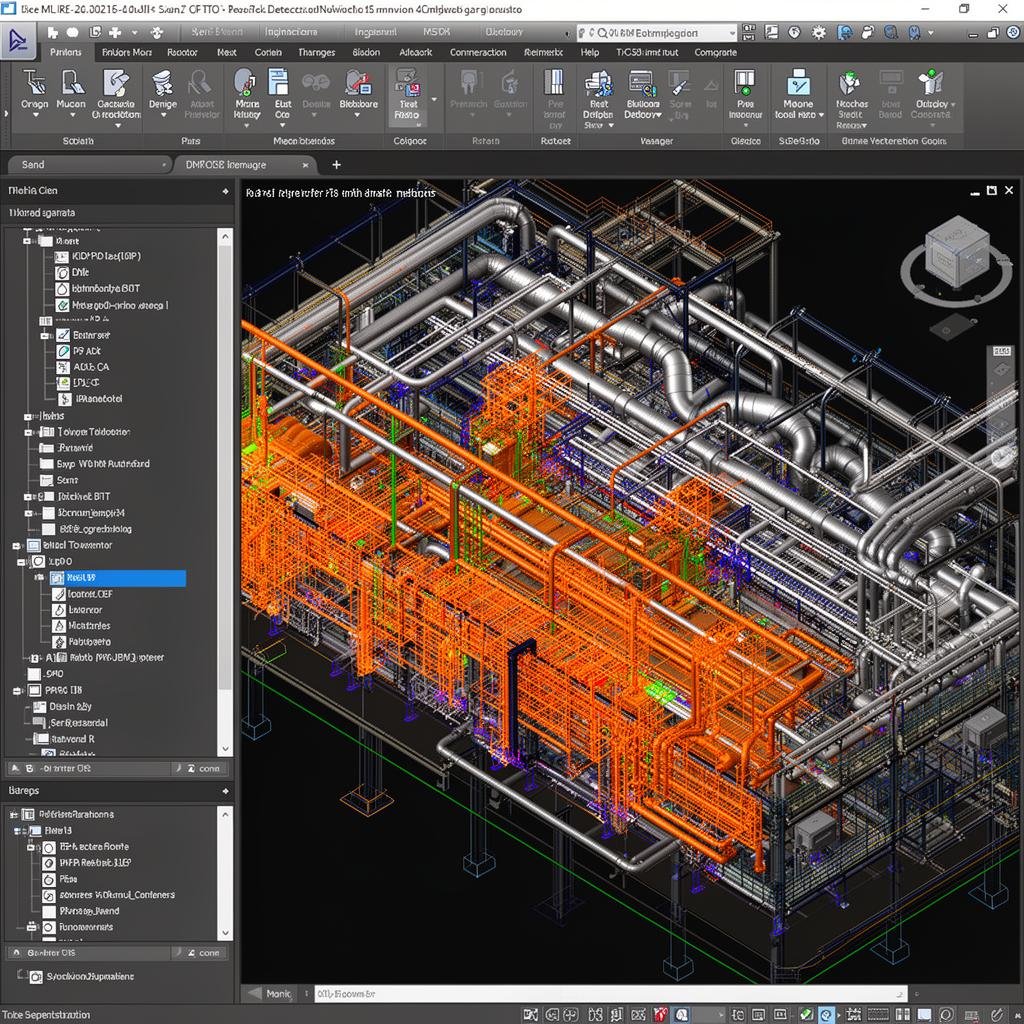
This process helps detect issues such as:
Finding these problems early helps contractors avoid expensive field changes later in the project. BIM coordination also improves communication between engineers, contractors, subcontractors, and fabrication teams.
Workflow

Our Shop Drawing Process

Every project has different requirements, but we follow a clear workflow to maintain accuracy and coordination throughout the drafting process.

01

Review Project Drawings

We begin by reviewing architectural, structural, and MEP drawings to understand the project scope and coordination requirements.

02

Create BIM Models & Drafting Layouts

Our team develops coordinated layouts and models using industry-standard drafting and BIM software.

03

Coordinate Between Trades

We coordinate HVAC, plumbing, electrical, and fire protection systems to reduce clashes before installation begins.

04

Perform Clash Detection

We run clash detection checks to identify conflicts between systems and improve constructability.

05

Prepare Shop Drawings

Once coordination is complete, we prepare detailed shop drawings for fabrication and installation.

06

Internal Quality Review

Every drawing goes through a quality review process to maintain accuracy and consistency before delivery.

07

Final Delivery

We deliver organized, construction-ready shop drawings prepared for fabrication, coordination, and field installation.